Selling your home in Irwin can feel simple at first. Put it online, schedule a few showings, and wait for the right offer, right? In reality, a strong sale usually comes from careful pricing, solid preparation, clear disclosures, and a plan for everything that happens after a buyer says yes. If you want to sell with fewer surprises and a better understanding of the process, this step-by-step guide will walk you through what matters most in Irwin. Let’s dive in.
Understand the Irwin market first
Before you make repairs or talk about list price, it helps to understand what the local market is really telling you. Current Irwin data varies depending on whether a source is tracking active listings or closed sales, which means numbers can look different from site to site.
One source reports 135 active homes for sale in Irwin, a median listing price of $322,500, and an average of 29 days on market. Another source, looking at sold-home data from April 2026, shows a median sale price of $244,324, median days on market of 95, and a 98.3% sale-to-list ratio. The best way to read that data is as a general range, not an exact prediction for your home.
For you as a seller, the practical takeaway is this: some homes may attract buyers in a few weeks, while others may take several months to go under contract. Then, once you accept an offer, you should still plan for a multi-week closing period.
Start with pricing strategy
Use online estimates as a starting point
An online home value estimate can be helpful, but it should not be your full pricing plan. Automated estimates do not account for your home’s condition, updates, layout, or how it compares with nearby homes that buyers are choosing between right now.
A stronger approach is to begin with that estimate and then refine it using local comparable sales and an in-person review of the property. That gives you a price strategy based on what your home actually offers in the Irwin market.
Focus on price and position
Pricing is not just about aiming high or low. It is about positioning your home so buyers see value quickly and feel motivated to act.
If your home is priced without considering condition, recent sales, and current competition, you may lose momentum early. A thoughtful pricing strategy can help you attract serious interest while reducing the risk of sitting too long and chasing the market down.
Complete Pennsylvania disclosures early
Know what sellers must disclose
In Pennsylvania, most residential sellers must provide a signed and dated property disclosure statement before the agreement of transfer is signed. The law requires you to disclose known material defects.
The disclosure form covers major areas of the property, including:
- Roof
- Basement and crawl spaces
- Termites and pests
- Structural issues
- Additions and remodels
- Water and sewage
- Plumbing
- Heating and air conditioning
- Electrical systems
- Appliances
- Soils and drainage
- Hazardous substances
- HOA matters
- Legal issues affecting title, use, or enjoyment
Document what you know
You do not have to perform a special investigation to fill out the disclosure form. However, Pennsylvania law does prohibit false, deceptive, or misleading statements.
That is why it is smart to gather records before your listing goes live. Repair invoices, warranties, service records, and appliance information can all help you complete disclosures more confidently and respond to buyer questions with clear documentation.
If something changes before final settlement and your disclosure becomes inaccurate, you must notify the buyer. That makes ongoing communication important from listing through closing.
Prepare your home before photos
Decide on repairs and inspection strategy
A pre-sale inspection is not required, but some sellers choose one to identify issues before buyers do. That can give you time to decide whether to repair a problem, disclose it clearly, or adjust pricing to reflect it.
This step can be especially useful if your home has older systems or deferred maintenance. Even if you skip a pre-sale inspection, you should still address obvious condition items that may stand out in photos or during showings.
If your home was built before 1978, lead-related rules may also apply. Buyers of most homes built before 1978 must receive known lead information and an approved lead hazard pamphlet before signing a contract.
Clean, declutter, and stage
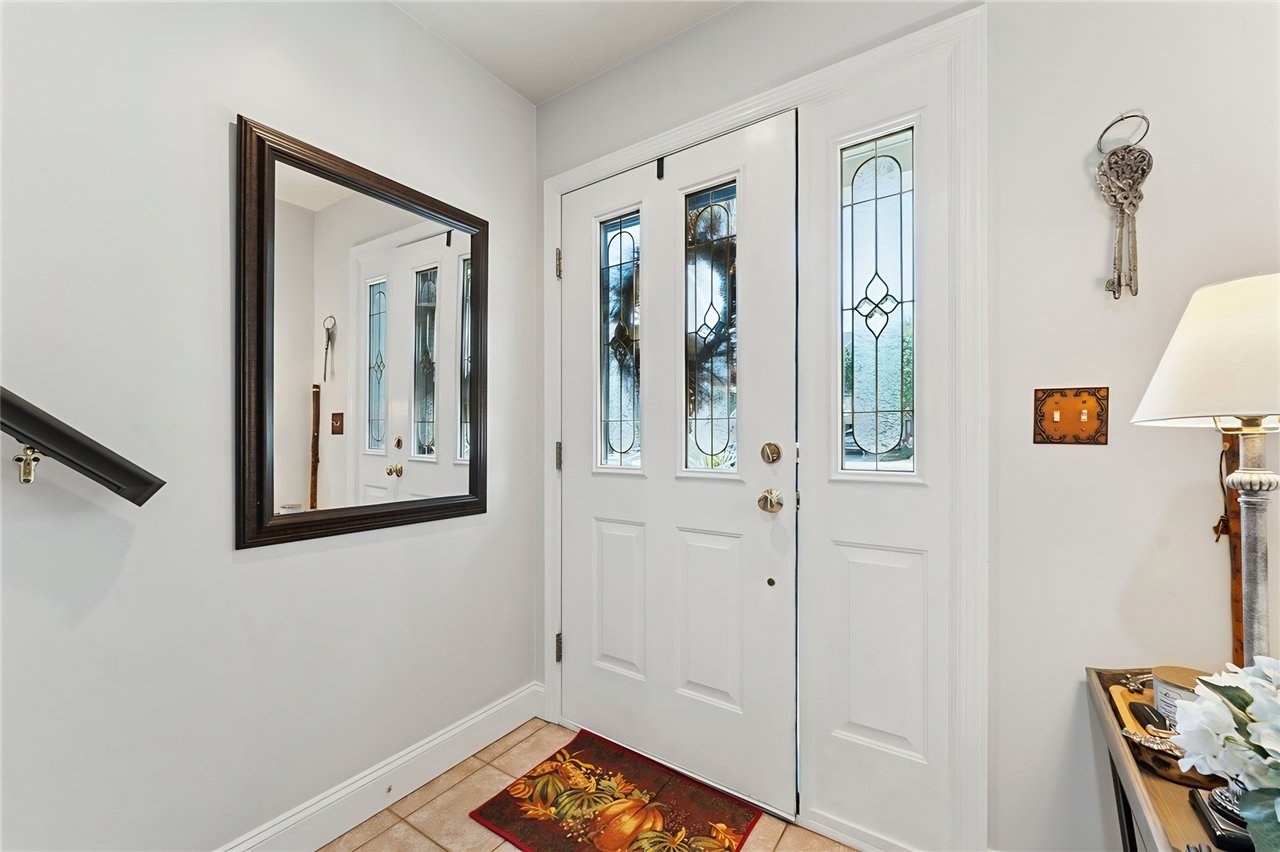
Preparation is not just about fixing things. Buyers also respond to presentation, and that starts with making your home feel clean, open, and easy to picture.
A solid pre-list plan often includes:
- Cleaning windows, carpets, walls, and light fixtures
- Reducing clutter throughout the home
- Removing highly personal items
- Touching up paint where needed
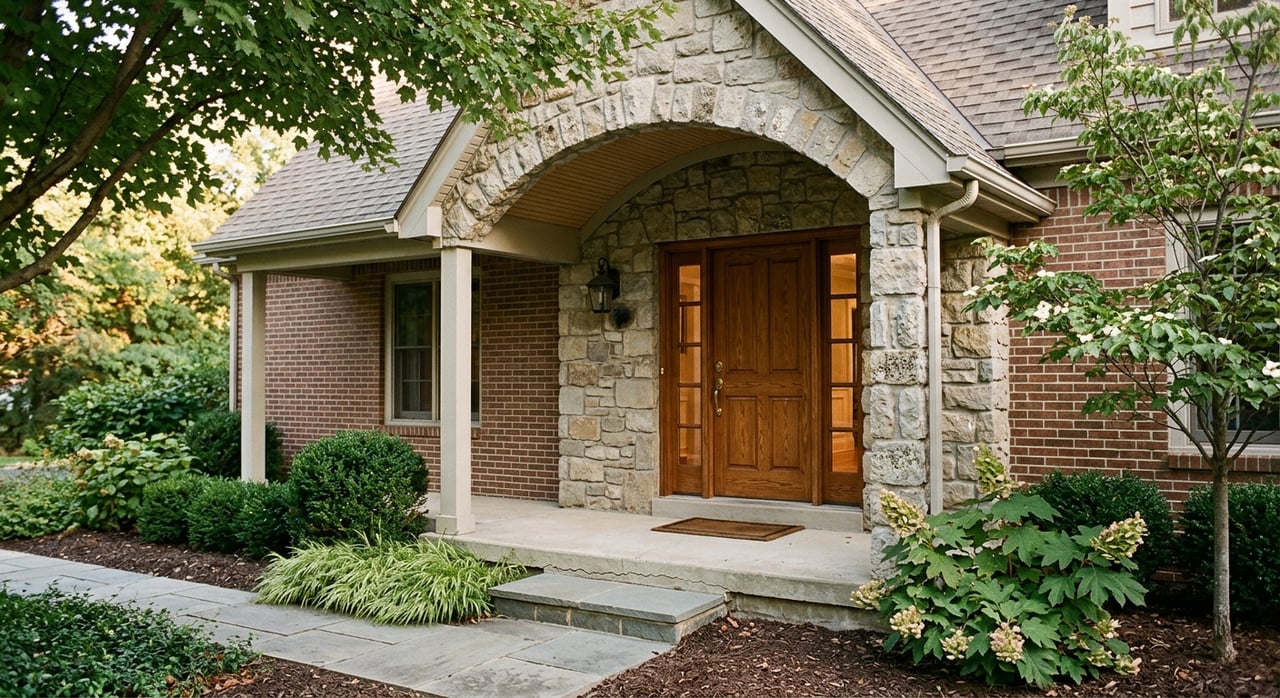
- Improving curb appeal at the front entrance and landscaping
- Arranging furniture to avoid overcrowded rooms
Staging can help buyers visualize living in the home. Recent industry guidance found that 83% of buyers’ agents said staging made it easier for buyers to picture a property as their future home, and about half of seller’s agents reported that staged homes sold faster. Many of today's buyers are also taking advantage of local assistance programs. If you're curious about what first-time buyers in the area may be looking for, read our Guide to First-Time Homebuyer Programs in Irwin.
Get ready for the listing launch
Make the first impression count
Once the house is ready, the launch phase becomes critical. This is where professional presentation and broad exposure work together.
Your listing launch should center on strong photography, clear listing copy, MLS exposure, and a showing plan that keeps the property easy to access. Buyers often form their first opinion online, so the quality of your photos and the way your home is positioned can shape how much interest you get.
Keep the home showing-ready
After your listing goes live, your job is not over. During the showing period, buyers are paying attention to how the home feels in person.
Try to keep the home:
- Clean and tidy
- Bright and open
- Free of excess clutter
- Neutral in presentation
- Easy for buyers to tour
The easier it is for buyers to imagine themselves in the space, the better your showing experience is likely to be.
Review offers carefully
Look beyond the highest price
When offers come in, price matters, but it is only one part of the deal. You should also review contingencies, requested concessions, closing dates, and any repair expectations.
A slightly lower offer with cleaner terms may be stronger than a higher offer with more risk or delay. The goal is to choose the offer that best fits your priorities and gives you the most reliable path to closing.
Stay clear and consistent during negotiations
Once you are negotiating, documentation matters even more. Since Pennsylvania requires honest disclosure of known material defects and prohibits misleading statements, it is important to communicate clearly and keep records organized.
This is one reason many sellers value a full-service process. Pricing, preparation, showing coordination, and negotiation all connect, and each step affects the next.
Plan for inspection and closing
Expect a second phase after acceptance
Accepting an offer is a major milestone, but it is not the finish line. After that, the transaction moves into the closing phase, which may include lender document requests, a home inspection, homeowner’s insurance, title insurance, document review, and the settlement appointment.
Mortgage lenders also typically require a title search and an appraisal. The exact timeline will depend on inspection scheduling and how quickly the buyer’s financing moves.
Understand inspection requests
If the purchase agreement includes inspection rights, Pennsylvania law says the inspection report must be written and identify material defects. Sellers may request a copy of that report without charge from the person who ordered it.
Inspection results often lead to repair requests, credits, or price adjustments. That is why your prep work and documentation before listing can make a real difference once you are under contract.
Budget enough time to close
A financed closing often takes about 30 to 60 days after offer acceptance. In practical terms, that means you should plan for more than just finding a buyer.
You may still need to coordinate moving plans, final paperwork, title work, and settlement logistics for several weeks after you go under contract.
Know Westmoreland County closing costs
If you are selling in Irwin Borough, it is smart to budget for county-specific closing costs before settlement day. Westmoreland County lists the total realty transfer tax at 2.0%, made up of 1% state, 0.5% municipality, and 0.5% school district.
The county fee schedule also states that deeds must show the true consideration or be accompanied by two copies of an Affidavit of Value. The current deed recording fee is $110.25, and the county requires exact payment with documents sent for recording.
These details matter because your net proceeds can look different than expected if you only focus on sale price. A step-by-step sale plan should include pricing, prep, negotiation, and closing costs from the start.
A simple step-by-step seller checklist
If you want a practical roadmap, here is the process in order:
- Get an initial online value estimate.
- Refine that estimate with local comparable sales and an in-person review.
- Complete the Pennsylvania seller disclosure form.
- Gather repair records, warranties, and appliance documents.
- Decide whether a pre-sale inspection makes sense.
- Handle obvious repairs or pricing issues before photos.
- Clean, declutter, and stage the home.
- Prepare for photography and showings.
- Launch the listing with strong MLS exposure and marketing.
- Review offers based on price, terms, and timing.
- Respond quickly during inspections and lender-related steps.
- Budget for transfer tax, recording costs, and settlement details.
Why a clear plan matters in Irwin
Selling your home in Irwin is not just about getting it listed. It is about making good decisions in the right order, with local pricing insight, careful preparation, honest disclosures, and a smooth path from showings to closing. If you're planning your next move within the community, check out our guide to living in Irwin to learn more about the neighborhoods, amenities, and what makes the area a great place to call home.
When you have a plan, you are better prepared for the real timeline, the likely buyer questions, and the county-specific costs that can affect your bottom line. If you are thinking about selling in Irwin or anywhere nearby in Westmoreland County, Adam Slivka can help you build a smart local strategy from pricing through closing.
FAQs
How long does it take to sell a home in Irwin?
- Local market data suggests the timeline can range from a few weeks to several months before a home goes under contract, followed by a multi-week closing period.
What disclosures are required when selling a home in Pennsylvania?
- Most residential sellers must provide a signed and dated property disclosure statement covering known material defects before the agreement of transfer is signed.
Should you get a pre-sale inspection before listing a home in Irwin?
- A pre-sale inspection is not required, but it can help you spot issues early so you can repair them, disclose them, or price the home accordingly.
What costs should sellers expect at closing in Irwin Borough?
- Westmoreland County lists total realty transfer tax in Irwin Borough at 2.0%, and the current deed recording fee is $110.25.
How should you price a home before listing it in Irwin?
- Start with an online estimate, then refine it using local comparable sales, property condition, and an in-person review of the home.